Teeth whitening
Teeth whitening lightens the natural colour of your teeth using a gel, sometimes with a laser. It is done at a dental surgery or with a kit from a dentist that you use at home.
See the steps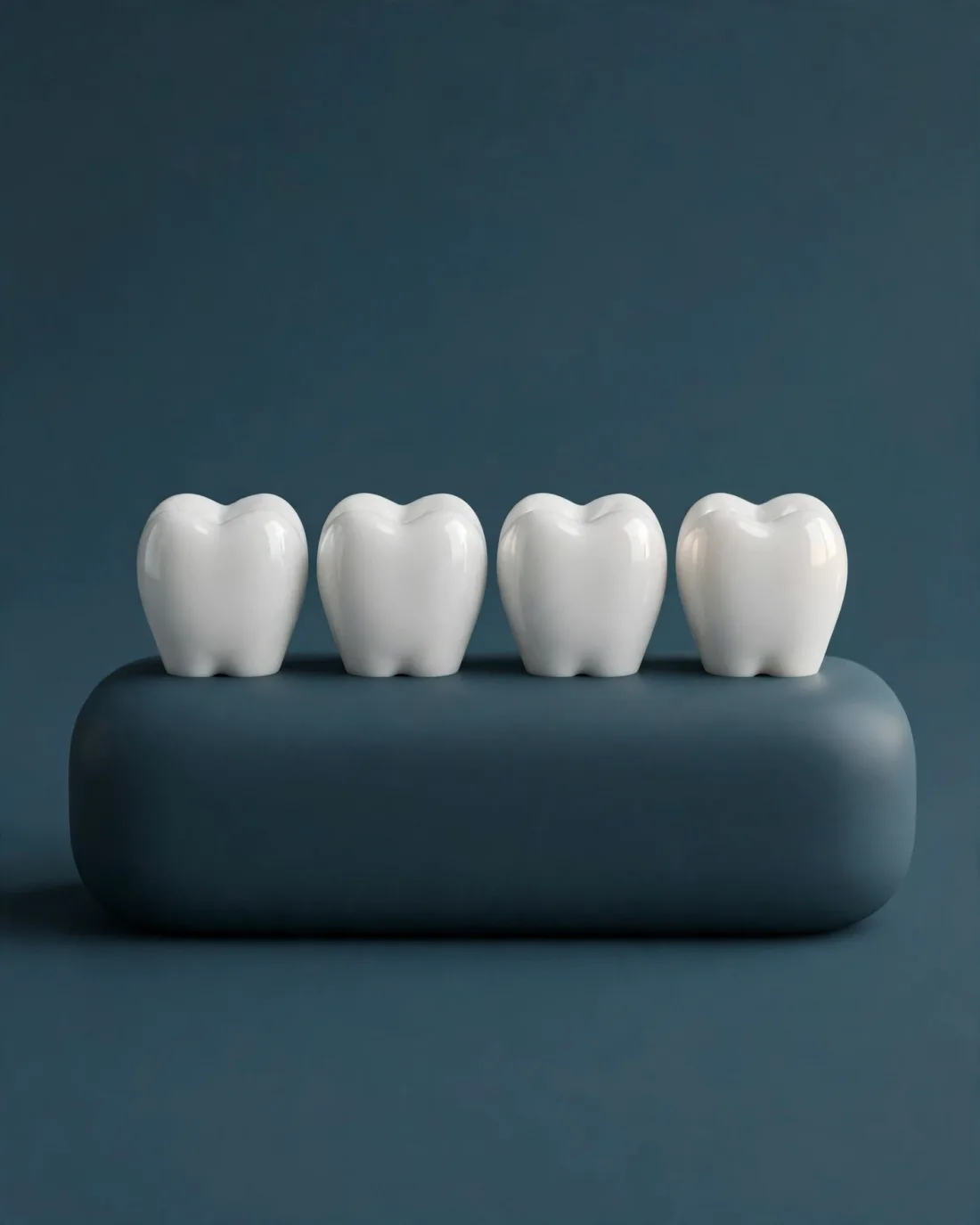
Drag to change the shade. Illustration only.
- Around 3 yearsHow long the effect may last with a dentist’s advice
- 2 to 6 weeksTypical time wearing home trays, per the NHS
- 1 to 2 hoursOne laser whitening appointment
- Natural teethThe only teeth whitening can lighten
How teeth whitening works
Teeth whitening lightens the colour of your teeth using a gel and sometimes a laser (NHS). It is used when teeth have become stained or darker, which can happen with age, with regular drinks such as coffee, tea or red wine, and with smoking.
Whitening lightens only the natural colour of teeth. It does not change crowns, dentures or implants (NHS), and it does not work on fillings or veneers (Oral Health Foundation). When discoloured teeth do not respond to whitening, veneers are one of the options (Oral Health Foundation). Other ways to change how teeth look are set out under cosmetic dentistry.
The NHS describes whitening with a kit from a dentist, or at a dental surgery, as the safest way to have it done, because the chemicals are very strong (NHS). It advises that treatment in beauty salons, and kits bought from a pharmacy or online, work less well and may harm the teeth and gums.
In-surgery whitening or home whitening
A dentist can whiten teeth in two main ways. Both start with whitening gel, and they differ in where the work is done and how long it takes.
| Compared on | At the dental surgery | Home kit from a dentist |
|---|---|---|
| How it is done | Gel is put on the teeth and a laser is shone onto them | Gel is worn in trays made to fit closely around the teeth |
| Time | Usually one appointment of around 1 to 2 hours | Trays worn at home for around 2 to 6 weeks |
| Gum protection | A soft shield or paste covers the gums | You are shown how to protect your gums |
| Appointments | Usually one | Usually one to check the trays fit, then wear at home |
The NHS describes the laser method as faster and more effective than using gel on its own (NHS). The Oral Health Foundation gives a shorter home period, usually 1 to 2 weeks, so the schedule your dentist gives you is the one to follow (Oral Health Foundation).
A 2024 systematic review of 30 articles found that in-office, at-home and combined bleaching all changed tooth colour, and most studies found no one method more effective. Where in-office and at-home bleaching were compared, treatment had to be repeated less often after at-home trays with carbamide peroxide gel. Sensitivity appeared to be higher after in-office and combined bleaching (Butera and colleagues).
How long the results last and what to expect afterwards
Teeth whitening is not permanent. If you follow your dentist’s advice, the effect may last for around 3 years (NHS). The Oral Health Foundation says results can last several years but vary, and that smoking and drinks such as tea, coffee and red wine make staining return more quickly. Good brushing and regular dental cleaning help to maintain the result (Oral Health Foundation). Regular check-ups and cleaning are part of general dentistry.
Whitening by a dental professional can cause teeth that are sensitive to cold or sweet food and drink, sore gums or throat, and white patches on the gums. The side effects usually last a short time, and the dentist can advise on any that bother you (NHS).
A 2026 meta-analysis of laboratory studies, with nine in the pooled analysis, found a small reduction in enamel microhardness after peroxide bleaching. The authors found no clear evidence of a clinically meaningful effect (Márton and colleagues).
Who is suitable for teeth whitening
- Stained or darkened natural teeth
- Healthy teeth and gums
- Not pregnant or breastfeeding
- No crowns, dentures or implants
- Aged 18 or over
Teeth whitening is not done for people aged 17 or younger or for people with unhealthy teeth or gums (NHS). It is also not recommended during pregnancy or breastfeeding, or for people with crowns, dentures or implants, because whitening can only lighten the colour of natural teeth.
The dentist should check that teeth and gums are healthy before whitening to make sure it is right for you. Whitening suits stained or darkened natural teeth, and it is worth asking the dentist about other options when the colour does not respond to it.
Teeth whitening, step by step
Checking your teeth and gums
The dentist should check that your teeth and gums are healthy before whitening, to make sure the treatment is right for you.
Choosing the method
Whitening can be done with a kit from the dentist that you use at home, or with a laser at the dental surgery. The laser is quicker and more effective than gel alone.
Protecting the gums
For a home kit, you usually have an appointment to check that the trays fit and to learn how to protect your gums. At the surgery, a soft shield or paste covers the gums, and you may be given dark or coloured glasses.
Whitening the teeth
At the surgery, whitening gel is put on the teeth and a laser is shone onto them, usually in one appointment of around 1 to 2 hours. At home, the trays are worn for around 2 to 6 weeks.
Looking after the result
Sensitivity or sore gums usually settle after a short time. Good brushing and regular dental cleaning help the result last, and smoking, tea, coffee and red wine bring staining back faster.
Questions about teeth whitening
Does teeth whitening damage your teeth?
Teeth whitening by a dental professional can cause short-term side effects, such as teeth that are sensitive to cold or sweet food and drink, sore gums or throat, and white patches on the gums. A 2026 meta-analysis of laboratory studies found a small reduction in enamel hardness after peroxide whitening and no clear evidence of a meaningful effect on enamel.
How long does teeth whitening last?
Teeth whitening is not permanent, but the effect may last around 3 years if you follow your dentist’s advice. Results vary from person to person. Smoking and drinks such as tea, coffee and red wine make staining return more quickly.
Is it safe to whiten teeth with a shop-bought kit?
The NHS advises that whitening kits bought from a pharmacy or online do not work as well as dentist-supplied whitening and may harm the teeth and gums. Shop-bought strips, gels and paint-on products contain only a very small amount of whitening ingredient, so they may remove some surface stains but usually do not change the natural colour of teeth much.
Does teeth whitening work on crowns, fillings or veneers?
No. Teeth whitening only lightens the colour of natural teeth, so it does not change crowns, fillings or veneers. It is also not recommended for people with crowns, dentures or implants.
Who should not have teeth whitening?
Teeth whitening is not done for people aged 17 or younger or for people with unhealthy teeth or gums. It is also not recommended during pregnancy or breastfeeding, or for people with crowns, dentures or implants.
What affects the cost of teeth whitening?
The cost of teeth whitening depends mainly on the method, a home kit or a laser appointment at the surgery, and on how many visits are needed. Any problem with the teeth or gums that has to be treated first can add to the plan. Your dentist should set out the cost before treatment starts.
Related treatments
These treatments work on colour and shape rather than repairing damage. Whitening changes the shade, and veneers change the shape and the shade together.
Teeth whitening starts with a check that your teeth and gums are healthy, so the method is chosen for your mouth.
Explore all treatments